

Disclaimer! TumorChannel.com is meant for information purpose only. Website is not intented to consult or treat any disease. If you feel you need medical help, contact your doctor and do not seek for health care help on the Internet.
Categories
Eye Cancer

Eye neoplasm

Share

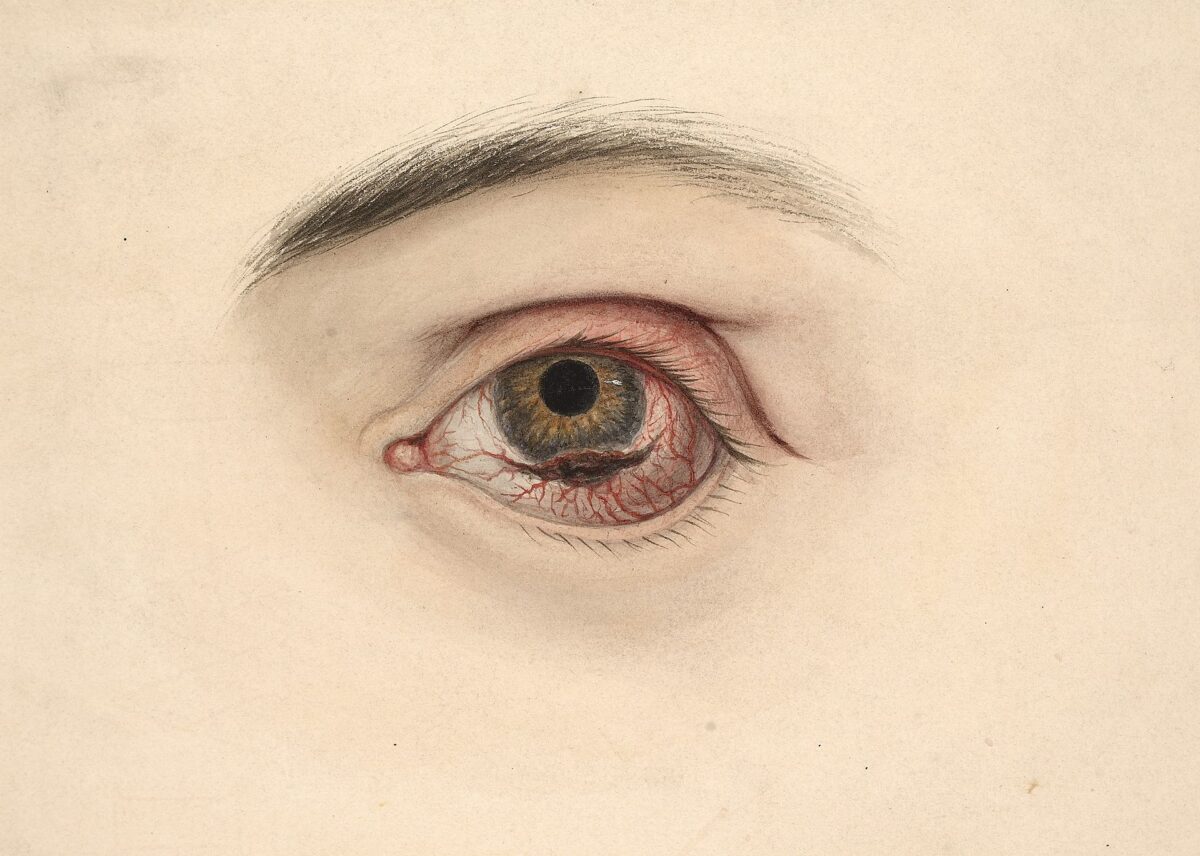
Eye neoplasms can affect all parts of the eye, and can be a benign tumor or a malignant tumor (cancer). Eye cancers can be primary (starts within the eye) or metastatic cancer (spread to the eye from another organ). The two most common cancers that spread to the eye from another organ are breast cancer and lung cancer. Other less common sites of origin include the prostate, kidney, thyroid, skin, colon and blood or bone marrow.

Types

Tumors in the eye and orbit can be benign like dermoid cysts, or malignant like rhabdomyosarcoma and retinoblastoma.

Malignant

The most common eyelid tumor is called basal cell carcinoma. This tumor can grow around the eye but rarely spreads to other parts of the body. Other types of common eyelid cancers include squamous carcinoma, sebaceous carcinoma and malignant melanoma. The most common orbital malignancy is orbital lymphoma. This tumor can be diagnosed by biopsy with histopathologic and immunohistochemical analysis. Most patients with orbital lymphoma can be offered chemotherapy or radiation therapy.

Adults

The most common malignant primary intraocular tumor in adults is uveal melanoma. These tumors can occur in the choroid, iris and ciliary body. The latter are sometimes called iris or ciliary body melanoma.
The next most common is primary intraocular lymphoma (PIOL) which is usually non-Hodgkin’s, large cell lymphoma of the B-cell type, although T cell lymphomas have also been described.

Children

The most common malignant intraocular tumor in children is retinoblastoma, affecting approximately 325 children per year in North America. Early detection has allowed for cures exceeding 95%.[1]
The second most common is medulloepithelioma (also called diktyoma) which can occur in the ciliary body and the uvea of the eye.

Benign

Orbital dermoid cysts are benign choristomas which are typically found at the junction of sutures, most commonly at the fronto-zygomatic suture. Large deep orbital dermoid cysts can cause pressure effects on the muscles and optic nerve, leading to diplopia and loss of vision.


Source: Wikipedia

Categories
Primary Lymphoma Prostate Cancer

Morbi a at nisi in nullam erat in diam.

Share

Eye neoplasms can affect all parts of the eye, and can be a benign tumor or a malignant tumor (cancer). Eye cancers can be primary (starts within the eye) or metastatic cancer (spread to the eye from another organ). The two most common cancers that spread to the eye from another organ are breast cancer and lung cancer. Other less common sites of origin include the prostate, kidney, thyroid, skin, colon and blood or bone marrow.

Types

Tumors in the eye and orbit can be benign like dermoid cysts, or malignant like rhabdomyosarcoma and retinoblastoma.

Malignant

The most common eyelid tumor is called basal cell carcinoma. This tumor can grow around the eye but rarely spreads to other parts of the body. Other types of common eyelid cancers include squamous carcinoma, sebaceous carcinoma and malignant melanoma. The most common orbital malignancy is orbital lymphoma. This tumor can be diagnosed by biopsy with histopathologic and immunohistochemical analysis. Most patients with orbital lymphoma can be offered chemotherapy or radiation therapy.

Adults

The most common malignant primary intraocular tumor in adults is uveal melanoma. These tumors can occur in the choroid, iris and ciliary body. The latter are sometimes called iris or ciliary body melanoma.
The next most common is primary intraocular lymphoma (PIOL) which is usually non-Hodgkin’s, large cell lymphoma of the B-cell type, although T cell lymphomas have also been described.

Children

The most common malignant intraocular tumor in children is retinoblastoma, affecting approximately 325 children per year in North America. Early detection has allowed for cures exceeding 95%.[1]
The second most common is medulloepithelioma (also called diktyoma) which can occur in the ciliary body and the uvea of the eye.

Benign

Orbital dermoid cysts are benign choristomas which are typically found at the junction of sutures, most commonly at the fronto-zygomatic suture. Large deep orbital dermoid cysts can cause pressure effects on the muscles and optic nerve, leading to diplopia and loss of vision.


Source: Wikipedia